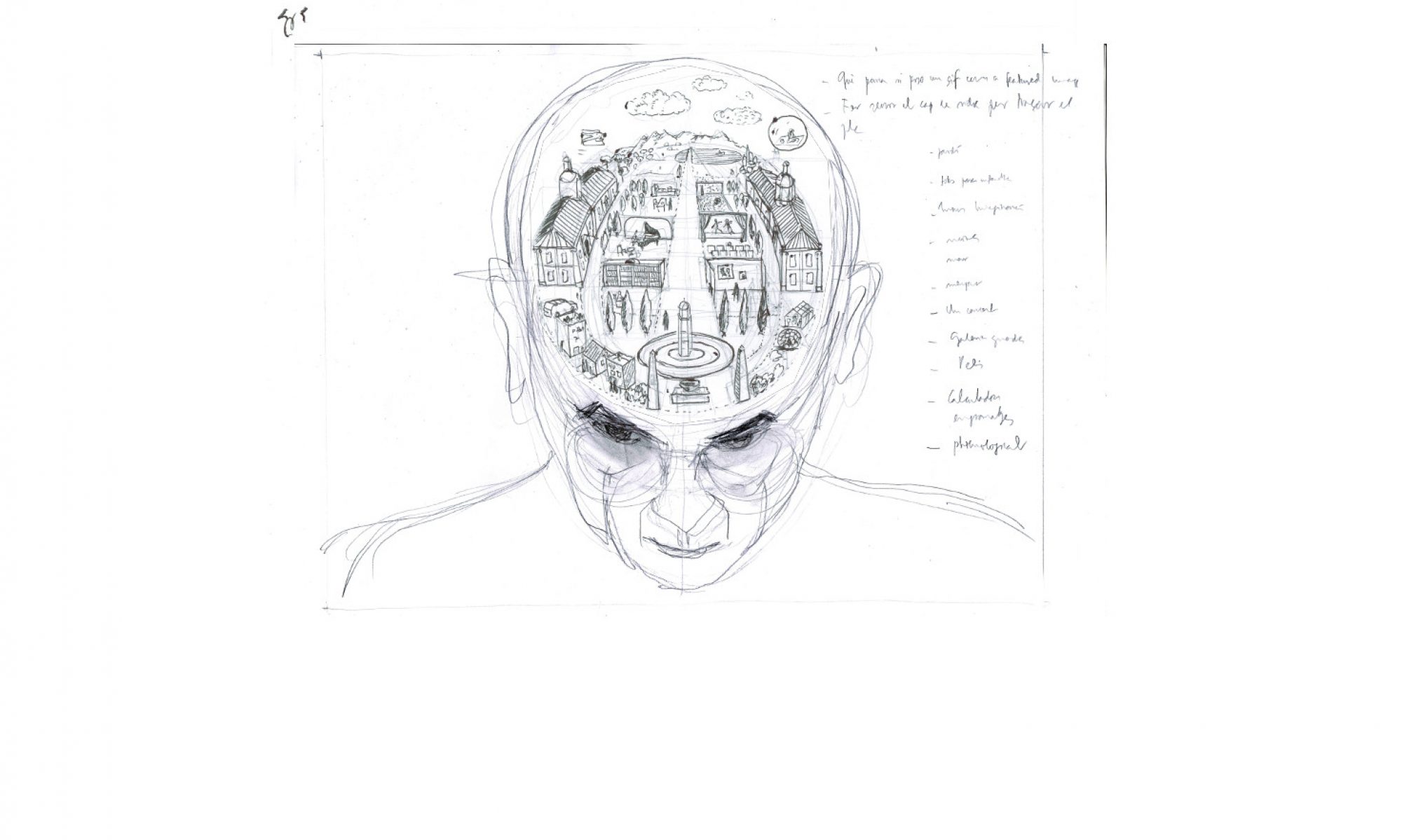
423h Història | 423o bres | Compositors i intèrprets | Experiències musicals [història societats]
El camí del saber, des de la música que tenim al voltants fins a reconstruir el procés
| Les meves experiències | la meva col·lecció
(1) l’evolució de les obres, formes musicals, Tonalitats Serialisme
>> fer el amrcat de la música com el d el’art: qui encarregava, kapellmeister, ingressos per concerts, ingressos per publiacions principals editorials, la ràdio i els discos,… fins a spotify
[FET > història cultura > tag música], cat música, tag formes musicals
Suite danses, forma sonata, blues
baix alberti https://ca.wikipedia.org/wiki/Baix_d%27Alberti
- música a l’antiguitat, modes grecs i gregorià
- maqam, sistema musical àrab.
- raga, música Índia
- música xinesa
- Hip-Hop
teoria: afinació pitagòrica, el clave ben temperat, cercle de quintes, newton associa C amb blau, G amb groc, [buscar imatge, Scriabin va associar els colors amb el cercle de les quintes]
(2) les experiències de les societats, cerimònies civils i relligioses, danses, rituals, concerts, la manera de fer i consumir música
universos sonors per cultura raga, punta de partida maqams
quins universos sonors tenim? primer les grans cultures, occident+ amèrica nord i jaz, àrab, xina, índia, àfrica, llatinoamèrica,
després en detall, potser es correspon amb les meves classificacions i llistes a musicbee: antiga de viola de gamba i cornetto, els concerts barrocs i les cantates, el piano íntim, el saló amb els lieder, el ball d’envelat.
imaginar que rebo invitacions per a recitals, cantates de Bach a st.Thomas, la flauta màgica a l’òpera d eViena, concerts de piano a un saló
recórrer els llocs de les mevbes experièncie smusicals,. el palau de la música als 15 anys, l’habitació a l’adolescència, el sofà a castellar, ballant al garatge, Scarlatti en bicicleta,
univers sonor: Cant religiós i profà, gospel, soul, adhānm arabesk
(3) NOTES
l’experiència de la música en la vida i les emocions. [veure notes oliver sacks la profunda estructura neuronal de l’experiència musical
emocions en la música i la dansa
| Radio
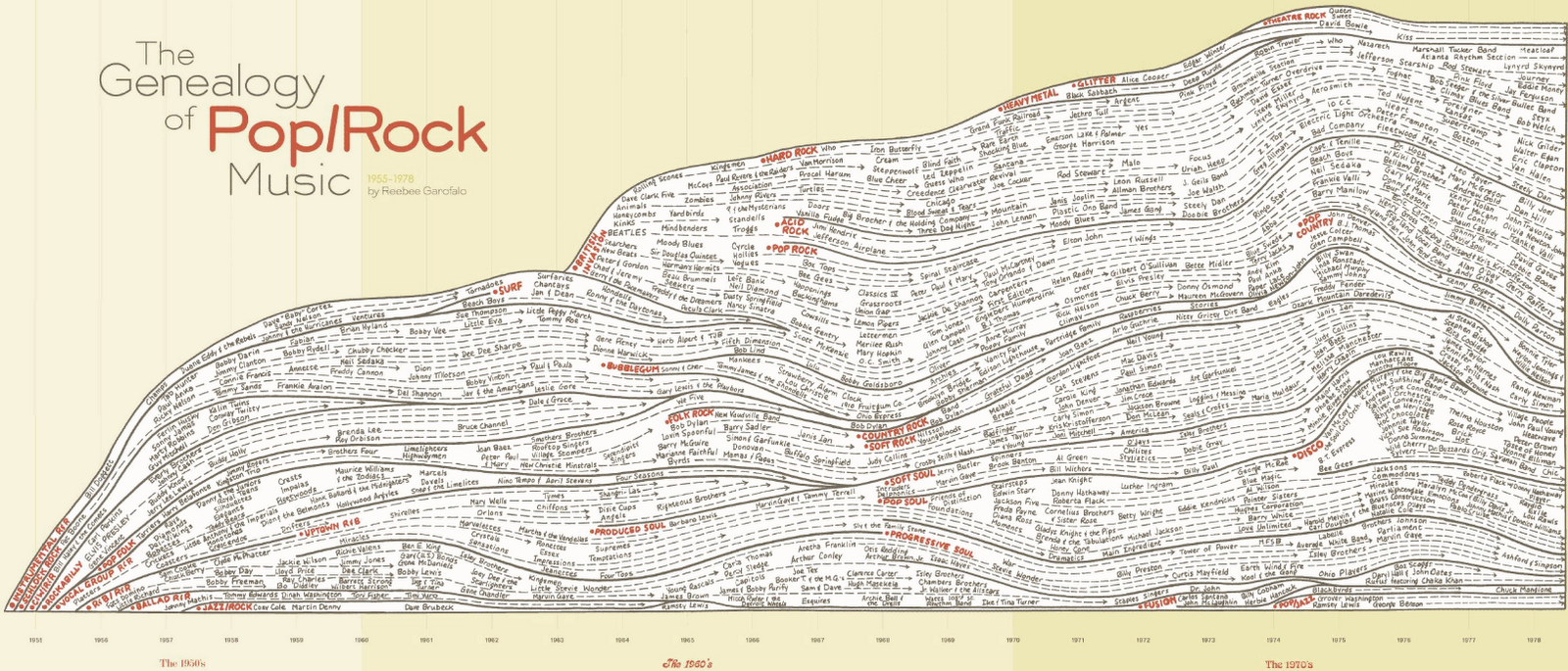
DIVERSOS: esquema musica pop, el poble indi on nomenen els nens amb una cançó
OBRES
vocal | cambra: Quartets de corda | teclat | orquestra
- Antiga
- Barroca
- Clàssica
- Romàntica
- Contemporània
- Ètnica
- New Age
- Jazz
- Soul RnB Funky
- Rock Pop
- hip-hop
[categoria Obres> música, poden ser posts sobre una obra, un conjunt d’obres d’un autor, o un estil que resumeixi una època] [puc agrupar posts de le sobres d’un autor per tag]
Us comparteixo una taula rodona de 1964 entre músics i crítics de jazz a iniciativa de la revista Playboy (curiosa barreja de cultura + pit i cuixa!). Hi participen Cannonball Adderley, Dizzy Gillespie, Dave Brucbeck, Ralph Gleason, Charles Mingus i altres. Segurament no és d’interès per l’audiència de balladors de swing però pels amants del jazz és un regal. Entre altres coses es discuteix cap on va el jazz, si cada cop més es farà a sales de concerts on s’escoltarà amb reverència com la música clàssica, o en clubs (ja no diguem sales de ball), si l’avantguarda busca destacar per l’imprevist i el complicat més que no pas per l’expressió musical, o el tema de fins a quin punt el jazz és un afer de negres i si altres cultures hi poden aportar alguna cosa.
https://cannonball-adderley.com/article/playboy2.htm
COMPOSITORS INTÈRPRETS [categoria FET Història, tags: musica, biografia, nom]
Haydn
Vivaldi
L’EXPERIÈNCIA MUSICAL EN LES CIVILITZACIONS
Dansa
Òpera barroca
Concert privat
misses
Club de jazz
Gravacions d’estudi
ràdio, gramola, tocadiscos vinils, walkman, discman, CD, mp3, spotify i itunes / tiktok / pelis o sèries de TV [ l’òpera moderna] / vídeo jocs sintonies de 8 bits dels telèfons video nokia / vídeo jocs moderns
[creació de música avui: bases rítmiques, hooks, djs, música per pelis feta com indústria v nota 2022]
manera de fer i consumir música
[Com ha de ser un museu de la música? exemple de bach a Eisenach i Leipzig. Reprodueixen una interpretació d’orgue en una església, el quadre de FGriedrich der Grosse tocant la flauta, Leipzig construir una frase musical movent el baix i canviant les paraules.
En què consisteix la música? Què és soroll i què és música? quan tenim significat?
David Sulzer, neurocientífic que investiga amb animals,
https://www.newyorker.com/magazine/2023/04/03/david-sulzer-profile-neuroscience-music
El ritme [patró en el temps, el cor, passes, articular sons, respiració]
https://www.bbc.com/future/article/20230526-how-rhythm-shapes-our-lives, experiments que mostren com ens sincronitzem.
soroll – música: https://www.newyorker.com/magazine/2024/04/22/what-is-noise `[descarregat] https://franciscolopez.bandcamp.com/album/virtuaural-electro-mechanics
STAX memphis
Creedence
“Ramble Tamble,” the greatest of all Creedence songs, is a seven-minute doom-choogle that builds from pastoral bliss to apocalyptic rage, but I’ve never heard it on the radio even once. You could eliminate all 20 Chronicle hits from their catalog and you’d still have the best non-Beatles/Stones band of their era.
But why would you want to do that? It’s America’s favorite greatest-hits album because it’s also the best, with CCR’s angriest (“Fortunate Son”), scariest (“Born on the Bayou”), sluttiest (“Sweet Hitch-Hiker”), screamiest (“Travelin’ Band”), dreamiest (“Long As I Can See the Light”), hippiest (“Up Around the Bend”), meanest (“Run Through the Jungle”), countriest (“Green River”), and funniest (“Lookin’ Out My Back Door”), with the finest three seconds of Fogerty’s vocal life, that “yeeeeah” into the final chorus of “Have You Ever Seen the Rain.” But my favorite isn’t even a Fogerty tune — “I Heard It Through the Grapevine” is their bash at a Marvin Gaye classic, not even getting the words right, just a headbang guitar jam riding Doug Clifford’s cowbell clunks, their most libidinal sex groove, building for a comically absurd 11 minutes. No song sounds better in the car in the summer sun with the windows down. Except maybe the other songs on Chronicle.
https://www.rollingstone.com/music/music-features/creedence-clearwater-revival-ccr-chronicle-americas-biggest-band-1235073385/
Why Does Music Make Us Feel Things?
Katrina McFerran
https://theconversation.com/why-does-music-make-us-feel-things-250756
Swedish music psychology researcher Patrik Juslin proposed the most popular explanation of music’s ability to trigger emotion.
He identified eight key mechanisms under the acronym BRECVEMA.
1.Brain stem reflexes – maybe a movie jumpscare moment or another sudden, frightening sound triggering a pre-conscious response. Evolution programmed these reactions into the brain over thousands of years in order to influence arousal levels and initiate the necessary emotional response.
2.Rhythmic entrainment, like the tendency to tap your foot to the beat; the benefits of moving in time together have been critical to human survival and evolution.
3.Evaluative conditioning in the fashion of Pavlov’s dog. After years of watching and cultural references, we hear the Jaws music and automatically feel tense.
4.The contagion effect, wherein we feel the emotions we perceive in the music. Lyrics aren’t necessary; the Peanuts cartoon’s signature tune, for example, strongly conveys childhood wonder and freedom without any words.
5.The visual imagery many people experience when listening to music, imagery which is often tied to some deep emotion.
6.Episodic memories, when hearing certain music brings up recollections of a past event. Music therapists can monitor the emotional reactions people have when unexpectedly reminded of particular situations, be they positive, negative or both. The therapists then use their expertise to support people in processing these resulting emotions.
7.Musical expectancy, when we anticipate the resolution of a chord or phrase. This is something you might feel rather than consciously notice. Take My Heart Will Go On: a delicate tension builds through the chorus, before finally resolving as Celine Dion sings the final line of the section and listeners are put to ease.
8. Aesthetic judgements, closely related to the ways we experience pleasure, are our personal emotional responses to how beautiful (or not) we consider a piece of music.
Alguns mantenen que la musicalitat té una funció evolutiva que ajuda a connectar amb els altres, començant per quan gronxem un nadó als braços[per ballar junts?]. Steven Pinker, pel contrari diu que no té valor, és un cheesecake.
2025 BMRQ
Hi ha indicis que la manera de gaudir la música és genètica (nautilus). En els estudis fets amb bessons es feia servir el Barcelona Music Reward Questionnaire (BMRQ) desenvolupat per un equip de recerca liderat per Dr. Josep Marco-Pallarés i Dr. Robert Zatorre, entre d’altres, com a part d’un projecte col·laboratiu entre la Universitat de Barcelona (UB) i el Montreal Neurological Institute de la Universitat McGill al Canadà. (Academia), The Barcelona Music Reward Questionnaire: A tool to assess individual differences in music reward experiences
El qüestionari científic mesura com i quant una persona experimenta recompensa amb la música, és a dir, el plaer i interès que obté de diferents aspectes de l’experiència musical. Serveix en recerca sobre el cervell i la música, casos d’anhedonia i estudis culturals. Avalua 5 dimensions:
1. Musical Seeking (cerca activa de música)
2. Emotion Evocation (emocions provocades per la música)
3. Mood Regulation (ús de la música per regular l’estat d’ànim)
4. Social Reward (ús social de la música)
5. Sensory-Motor (respostes físiques i sensorials)
Barcelona Music Reward Questionnaire
1. When I share music with someone I feel a special connection with that person. (1-5):
2. In my free time I hardly listen to music. (1-5):
3. I like listen to music that contains emotion. (1-5):
4. Music keeps me company when I’m alone. (1-5):
5. I don’t like to dance, not even with music I like. (1-5):
6. Music makes me bond with other people. (1-5):
7. I inform myself about music I like. (1-5):
8. I get emotional listening to certain pieces of music. (1-5):
9. Music calms and relaxes me. (1-5):
10. Music often makes me dance. (1-5):
11. I’m always looking for new music. (1-5):
12. I can become tearful or cry when I listen to a melody that I like very much (1-5):
13. I like to sing or play an instrument with other people. (1-5):
14. Music helps me chill out. (1-5):
15. I can’t help humming or singing along to music that I like. (1-5):
16. At a concert I feel connected to the performers and the audience. (1-5):
17. I spend quite a bit of money on music and related items. (1-5):
18. I sometimes feel chills when I hear a melody that I like. (1-5):
19. Music comforts me. (1-5):
20. When I hear a tune I like a lot I can’t help tapping or moving to its beat. (1-5):