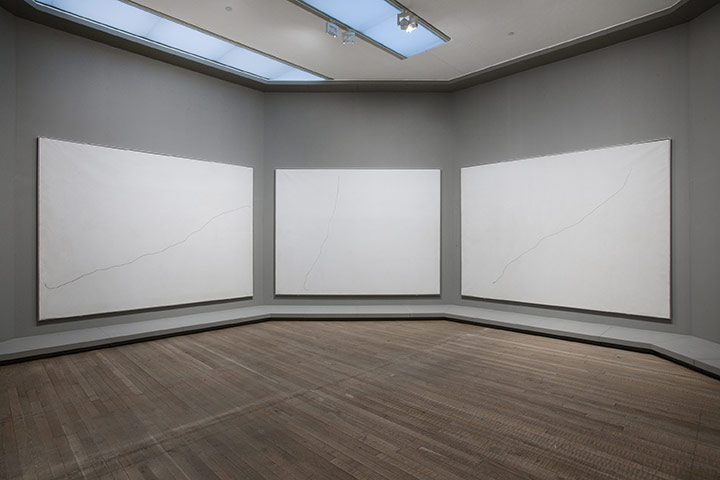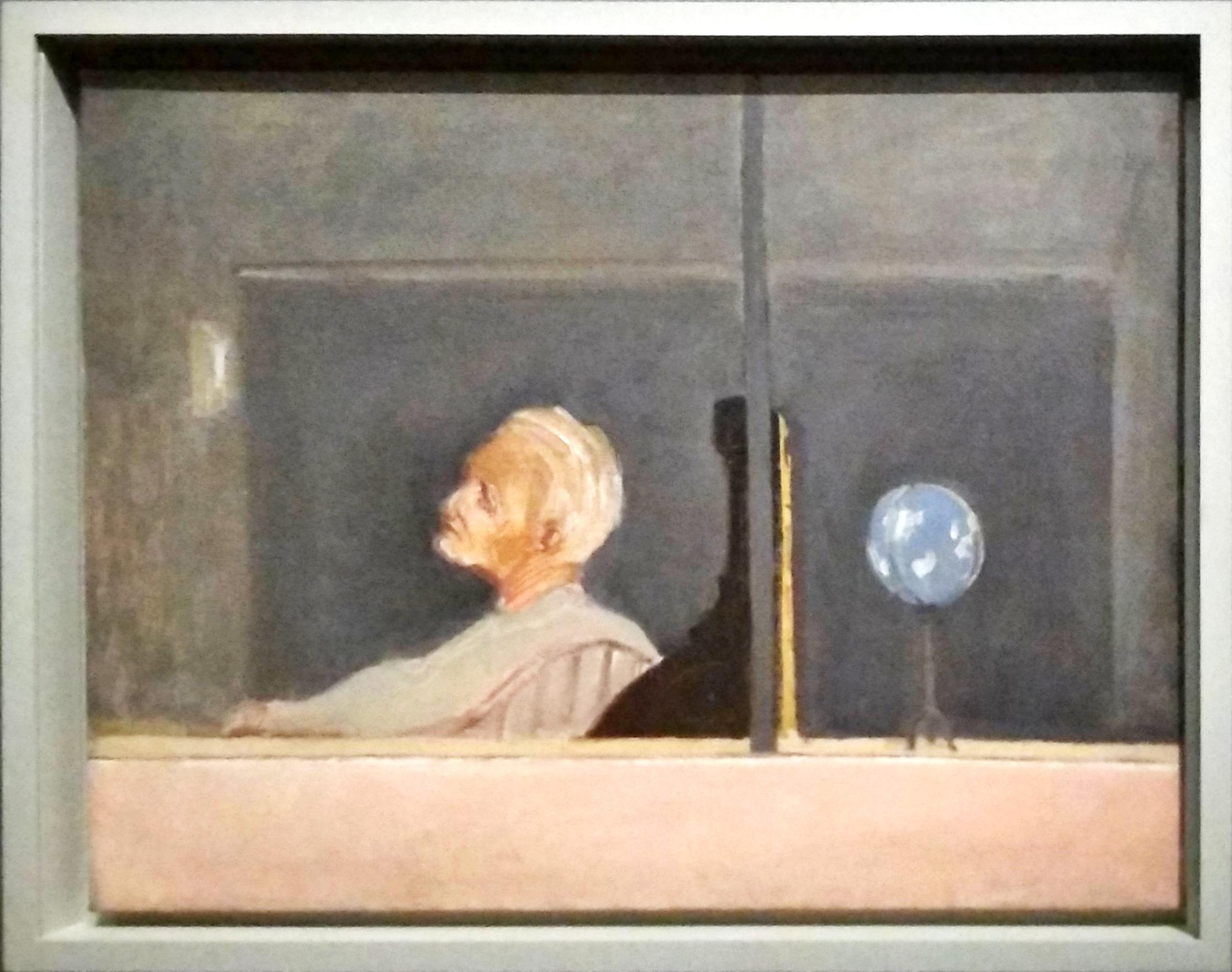
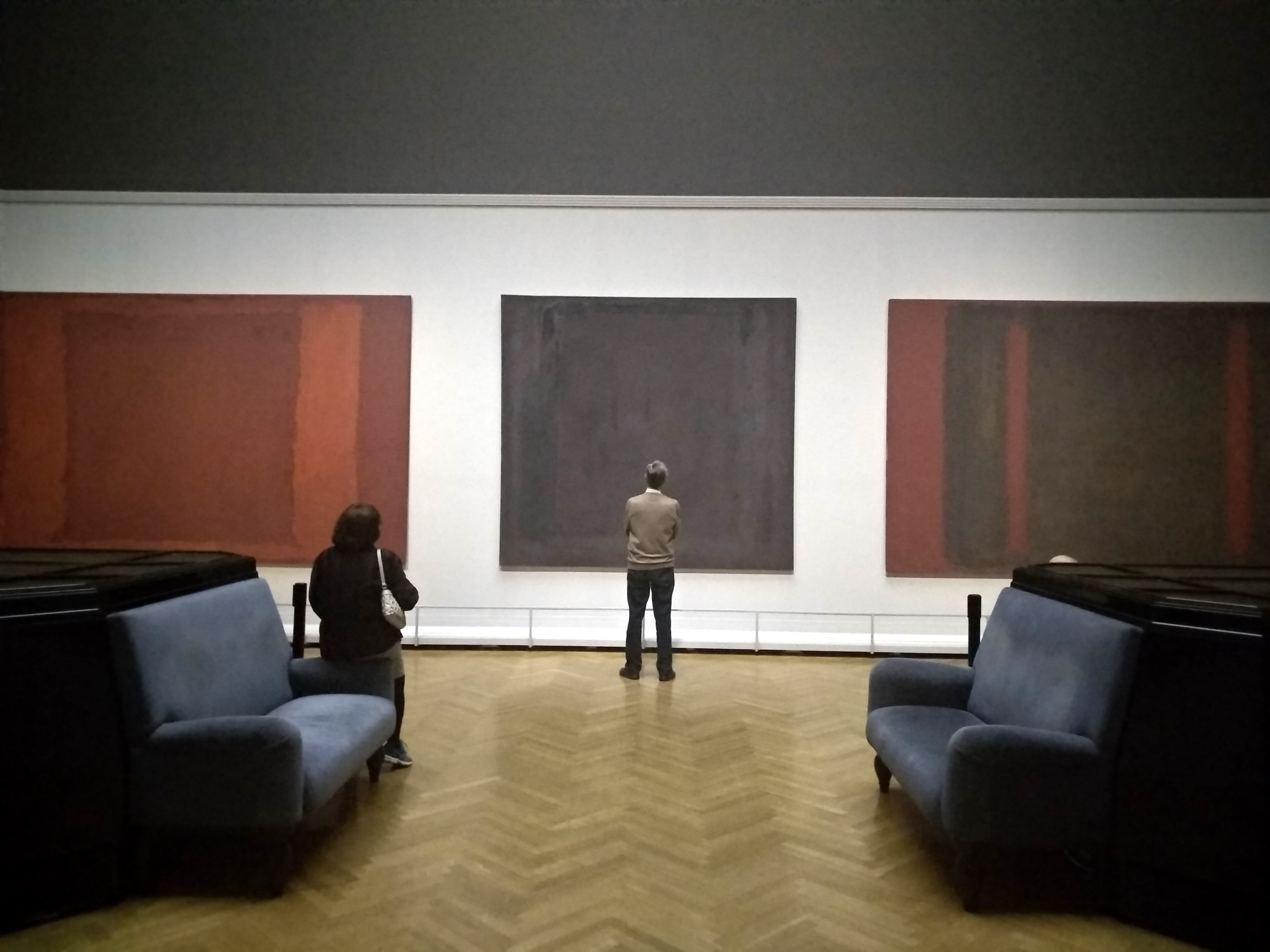
Un home contemplant una paret grisa (Black over Grey), després d’haver estat contemplant el món?
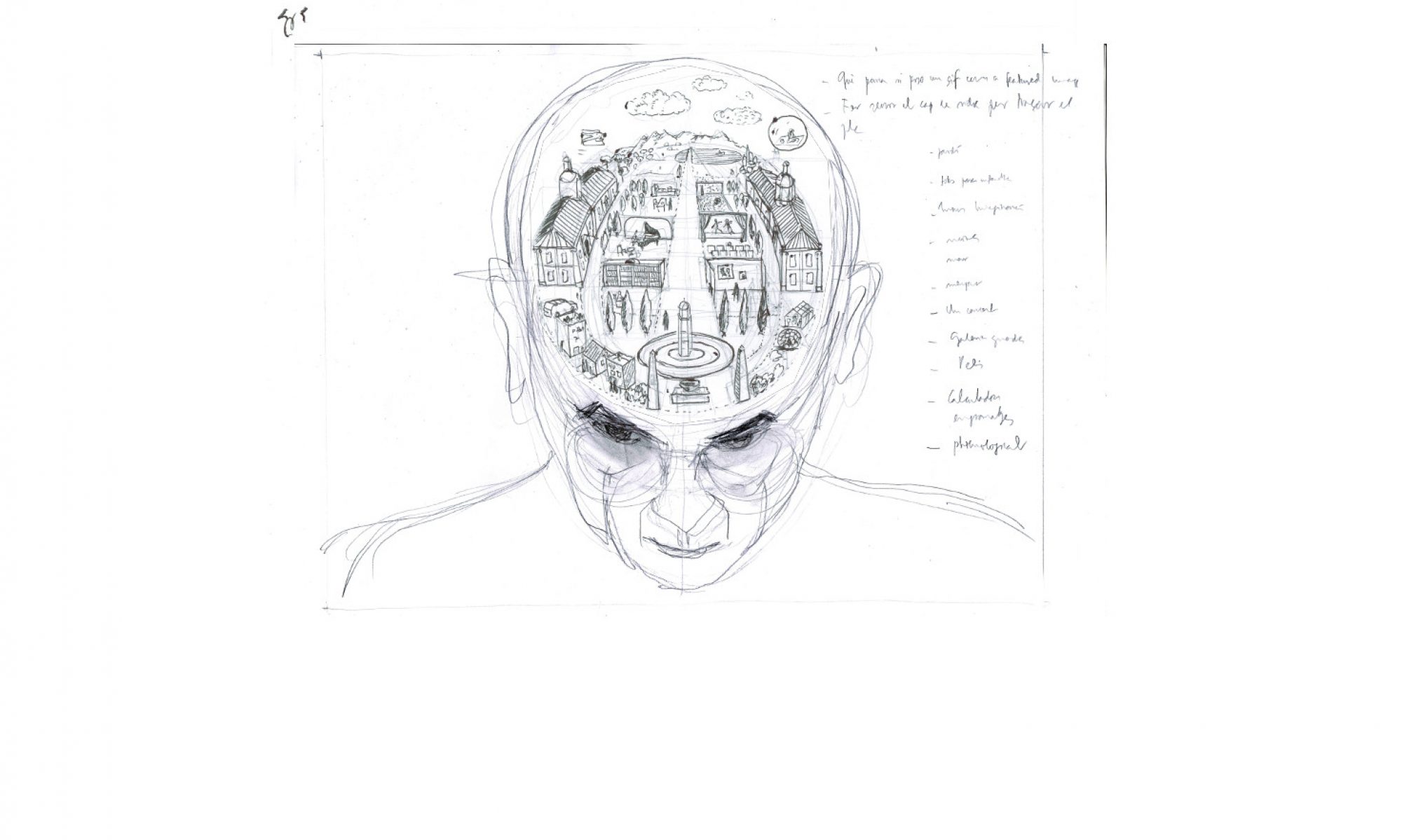
on situar el que hem viscut, el que podem pensar tot el que hi ha, hi ha hagut, el que voldria recordar o tornar a veure
Un home contemplant una paret grisa (Black over Grey), després d’haver estat contemplant el món?
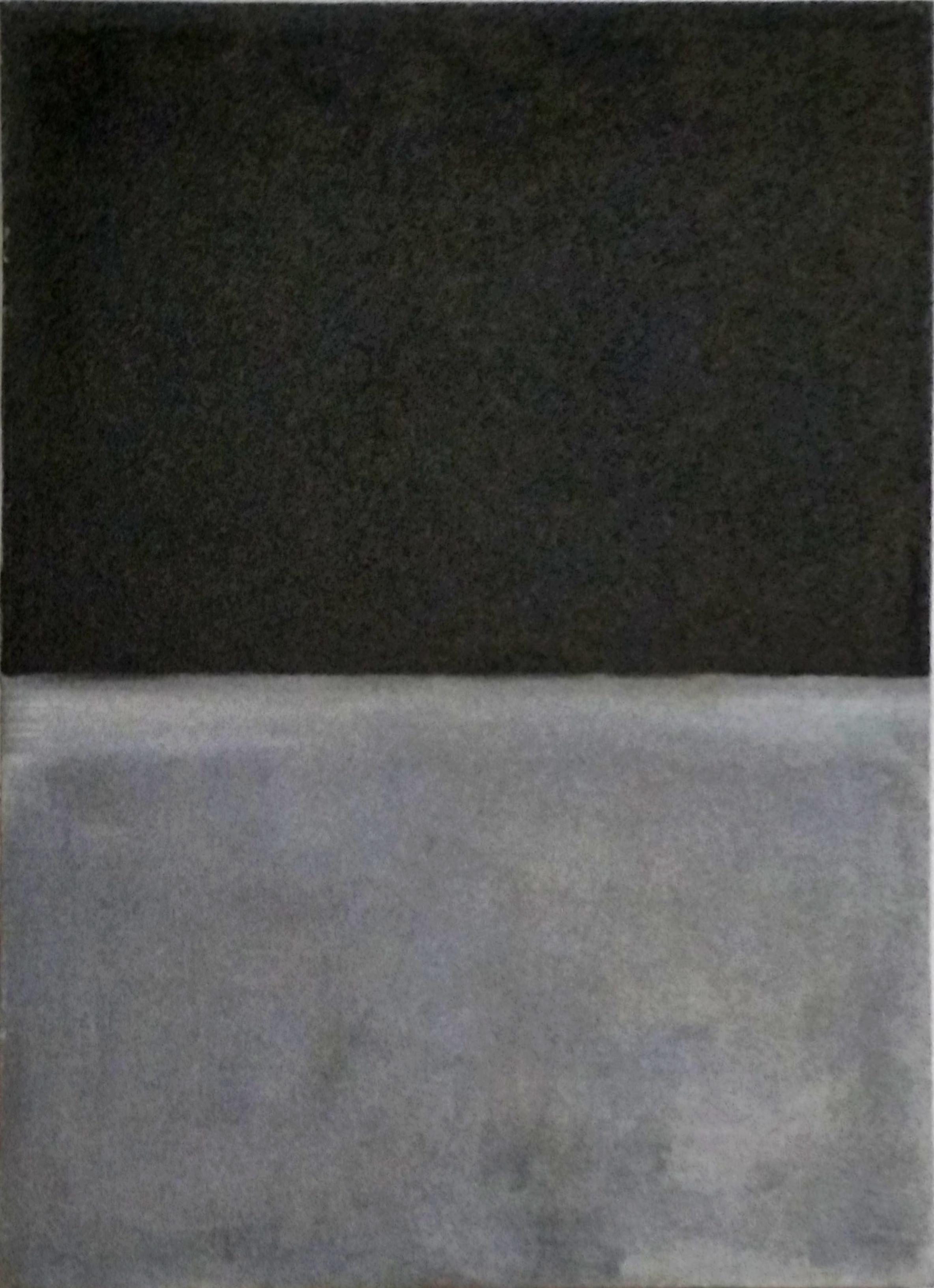
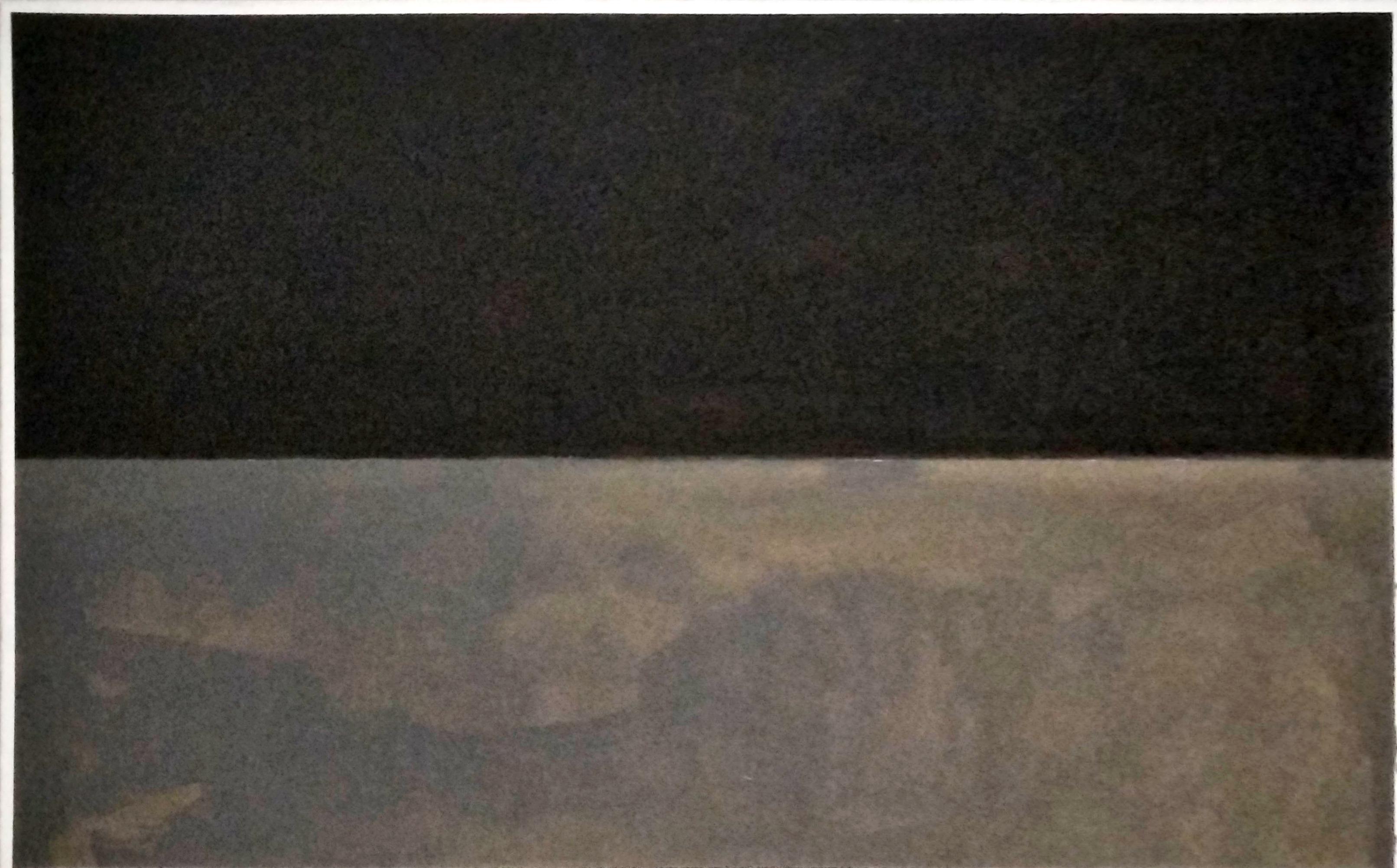
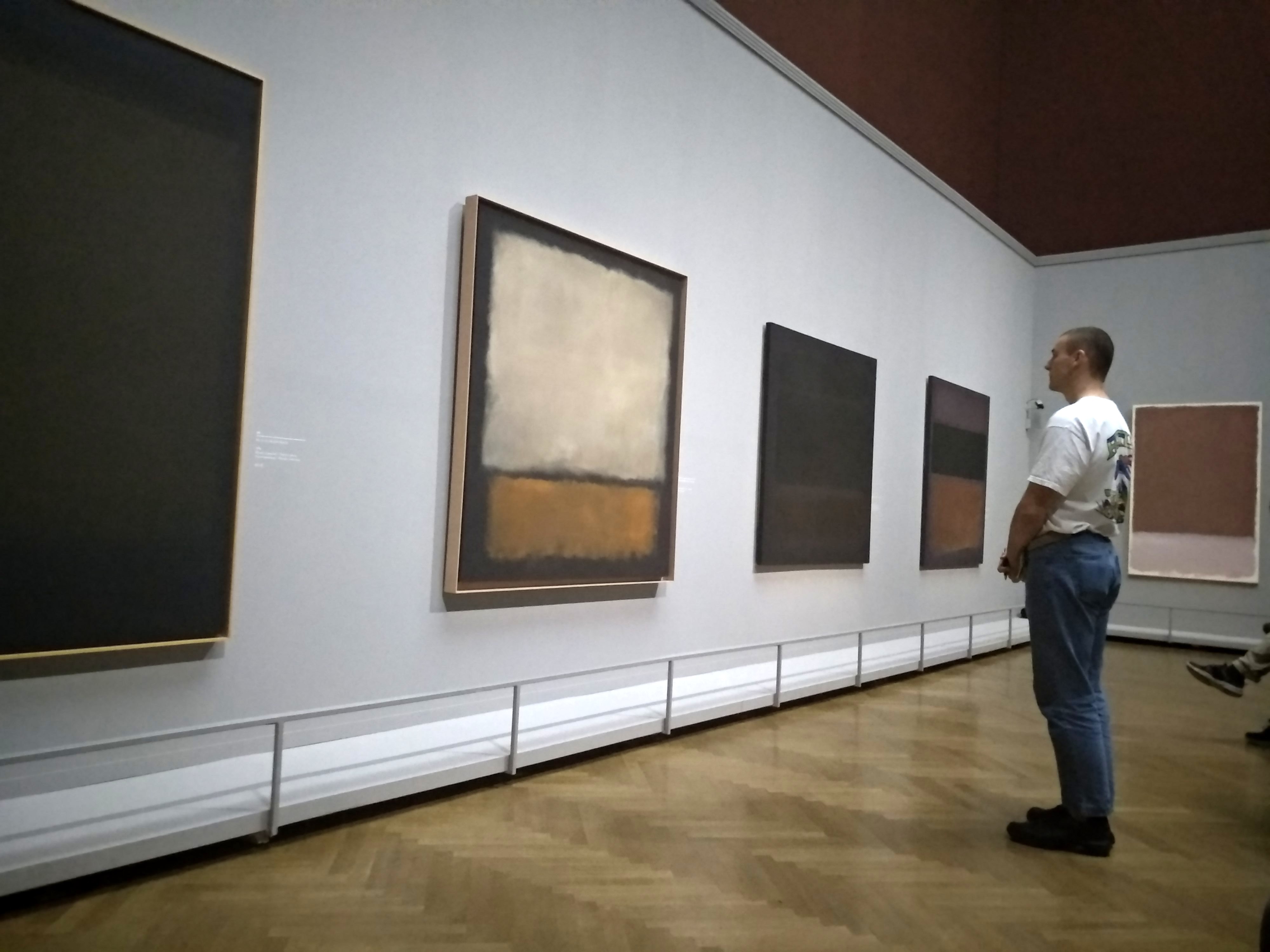
Vistes al KHM a Viena el maig de 2019, procedents d’una col·lecció privada. “Working with acrylic paint on canvases primed with white gesso, he separates the picture plane horizontally into two distinct fields with dark above and light below. His brushwork, particularly in the lower grey sections into which he folds ochre and blue, is unusually llose. Where the two fields meet, our minds invariably perceive a horizon line, which in turn encourages a reading of the works as desolate, abandoned landscapes. […] The critic Robert Rosenblum sought to establish a relationship with the work of German Romantic artist Caspar David Friedrich, specifically with the feelings of infinity and mortality evoked in paintings such as The Monk by the sea (1808-10), suggesting that ‘we ourselves are the monk before the sea’.
Els paisatges recorden també les fotografies del mar de Hiroshi Sugimoto. L’efecte del monjo contemplant un paisatge sublim és real. Els visitants quedaven quiets davant les pintures, com meditant.
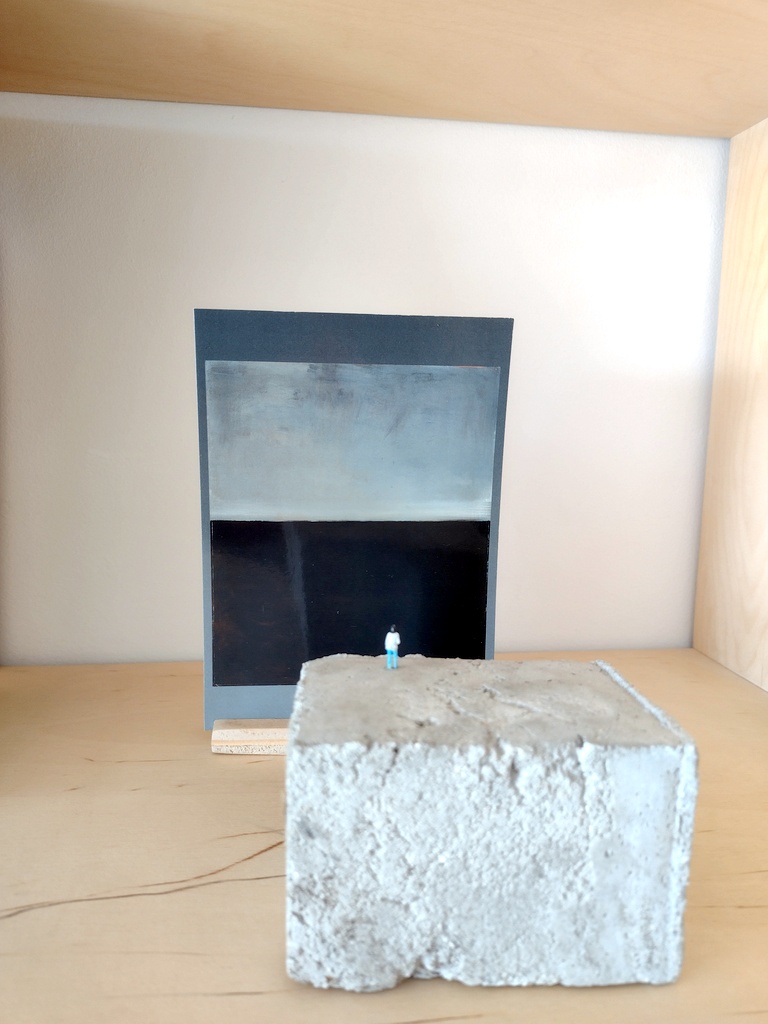
A la llibreria hi tinc una postal amb un figureta en un bloc de formigó, que evoca la contemplació d’un horitzó:
Israel Museum.
In 1933, the Nazi party came to power in Germany on a platform that, among other things, openly espoused hatred against Jews and called for their repression and removal from Germany. Germany, however, was far from being the only country to have such a change. Eastern Europe, where there was a historically large population of Jewish people, anti-Semitism was a recurring problem that intensified every few decades before dying down again.
The 1930s saw another such cycle in that area of the world and Chagall, as an Eastern European Jew himself, with many friends and family in those countries, felt this rise of anti-Semitism strongly. In 1934, while in Warsaw, Poland, Chagall witnessed one of his friends assaulted in the street for his religious beliefs. In 1937, the Nazis confiscated 59 of Chagall’s paintings then on the territory of Germany and showed them as part of an exhibition entitled Degenerate Art (Entartete Kunst).
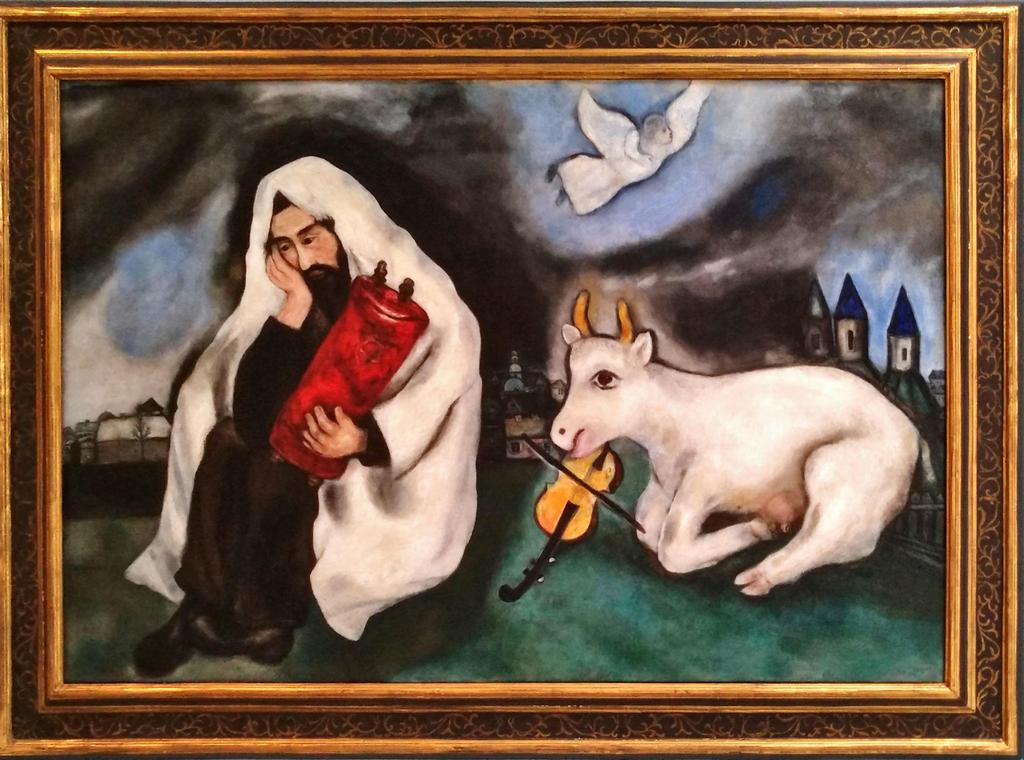
The painter’s response was to attempt to reconcile the two conflicting religions, Judaism and Christianity, through art. In Chagall’s painting Solitude (1933), he depicts the profound sadness and pain felt by the Jewish people in the brewing storm.
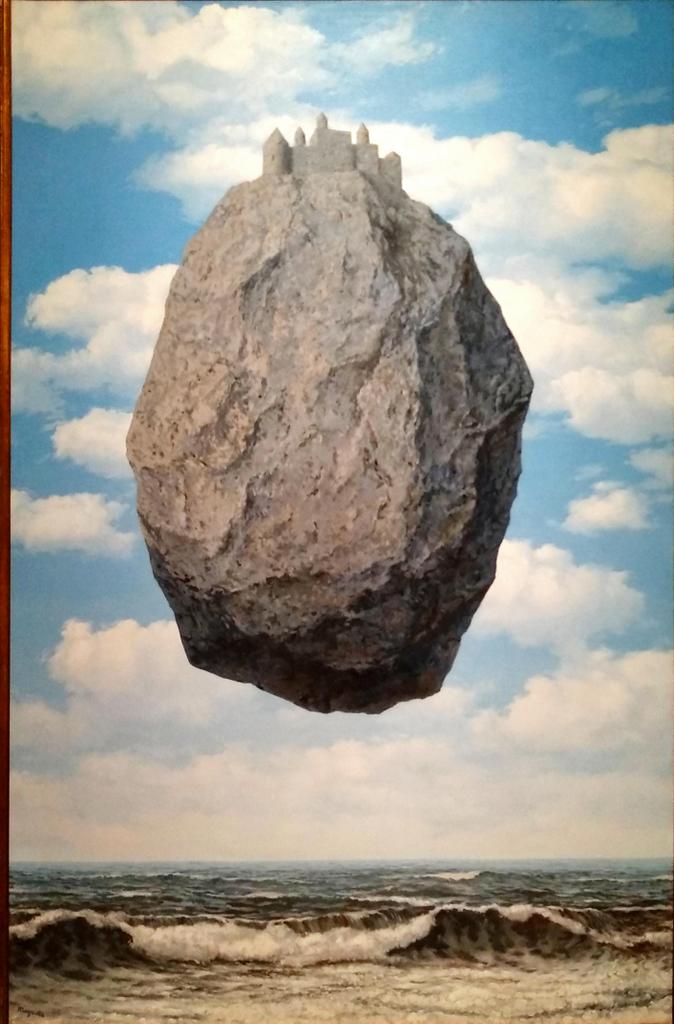
Israel Museum. Jerusalem
Komarov s’envola després d’una discussió amb la dona, al cel hi troba altra gent volant, alguns sols, altres que es fan petits fins a ser confosos amb ocells.
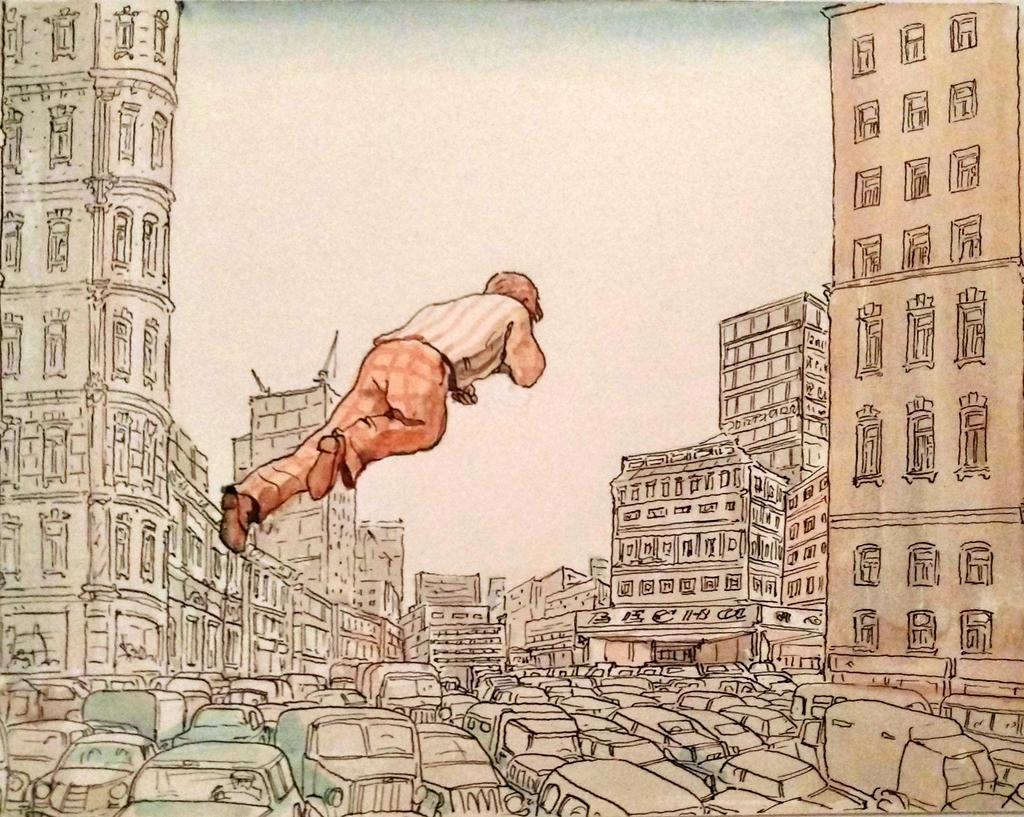
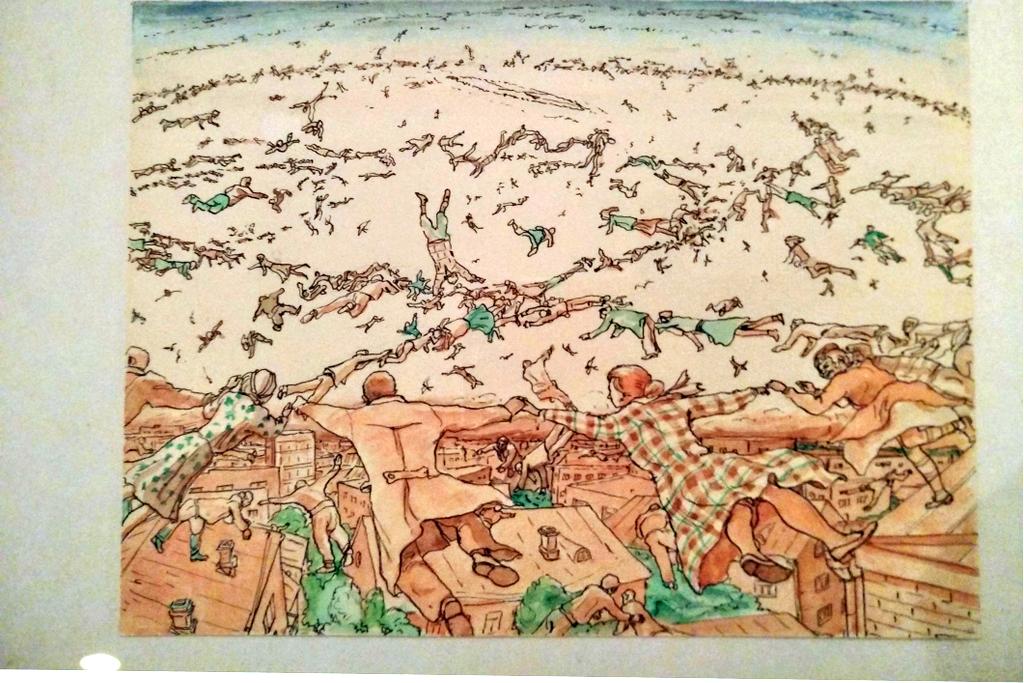
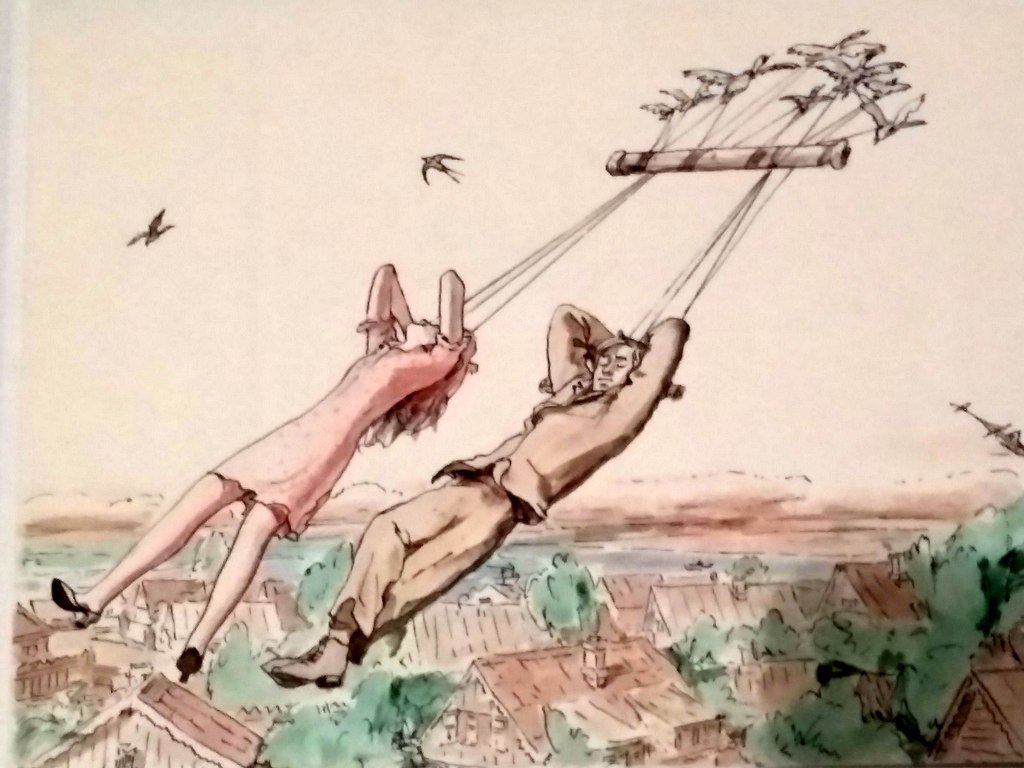
A mi m’il·lustra el somni de sortir volant. Forma part de la sèrie 10 caràcters.
The ten albums tell ten fables: they suggest ten positions from which Homo Sovieticus can react to his world, ten psychological attitudes, ten perspectives on emptiness, ten parodies of the aesthetic traditions through which Kabakov evolved his vocabulary, ten aspects of Kabakov’s personality.
In the album The Joker Gorokhov, the ‘humorous’ attitude toward life comes under criticism as a way of perceiving one’s surroundings that is too light, non-conflictual.
In the album, Generous Barmin, what is analyzed is the capability and desire of each person to ‘define’ another person, to impart to him various qualities, as a rule, that have nothing in common with the actual person.
In the album Agonizing Surikov, the character suffers because life, the meaning of life, is concealed from him by a film. He sees only parts, shreds, fragments through this curtain.
The album Anna Petrovna Has a Dream tells about a soul that no longer has a material, physical shell. This soul travels amidst our world, not touching anything, and ultimately it flies off, abandoning this world.
The Flying Komarov is a utopia of bliss, a state of eternal hovering, suspension between heaven and earth, between a dream and reality.
In Mathematical Gorsky we have the fear of winding up in a compulsory series with ‘others,’ a desire no matter what to ‘leave the series,’ to abandon it.
The album The Decorator Malygin is about the impossibility, the lack of desire, to wind up in the ‘center,’ to step out into the ‘middle,’ about the desire to hide in the corner, to be ‘on the edge,’ ‘on the side.’
The Released Gavrilov tells about the desire to run, disappear, dissolve, lose oneself in nature, where nature is the image of happy idleness, happy non-being.
The last album of Ten Characters – The Looking- Out-the-Window Arkhipov – tells about a dying consciousness where the images of consciousness blur like temporary designs on glass, and a vision of another world emerge before one’s consciousness.
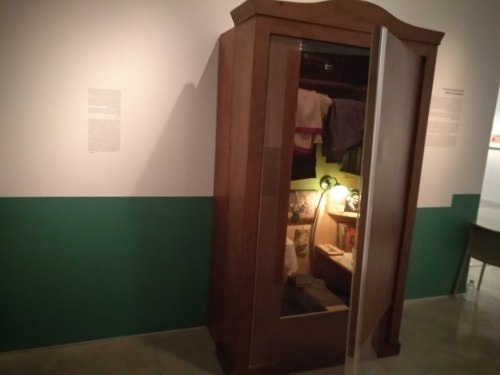
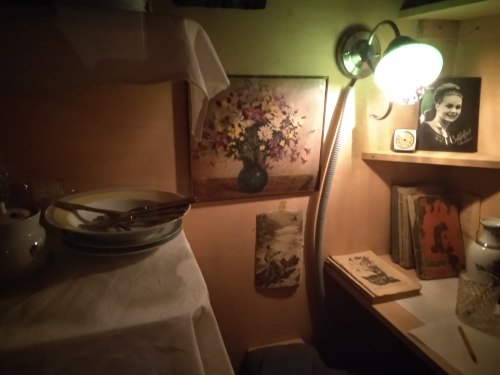
Artista conceptual de Moscú dels 80. Vaig veure també “vida a l’armari”.
https://ilya-emilia-kabakov.com/
Aquest és un exemple de les instal·lacions que ha fet la resta de la seva carrera. Cadascuna un món imaginari que convida a entrar-hi.
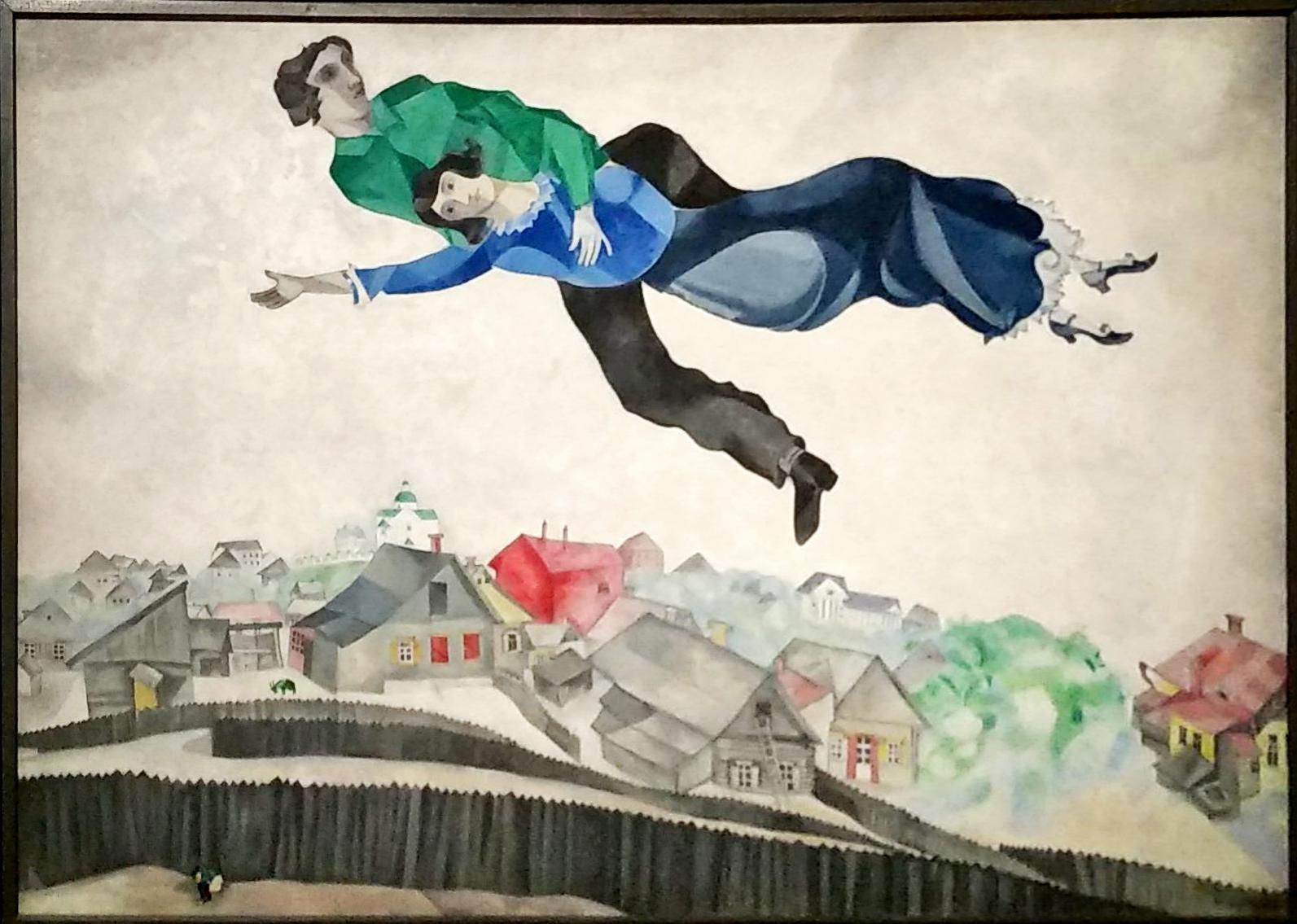
Vista a l’exposició sobre els artistes de Vitebsk, on Chagall fundà una escola de que que fou director fins 1922 que deixà Rússia, perdent aquesta obra que havia fet el 1917 i tornà a fer el 1924.
L’enamorament per Bella, la seva dona, inspira aquesta obra.
I segurament també La promenade:
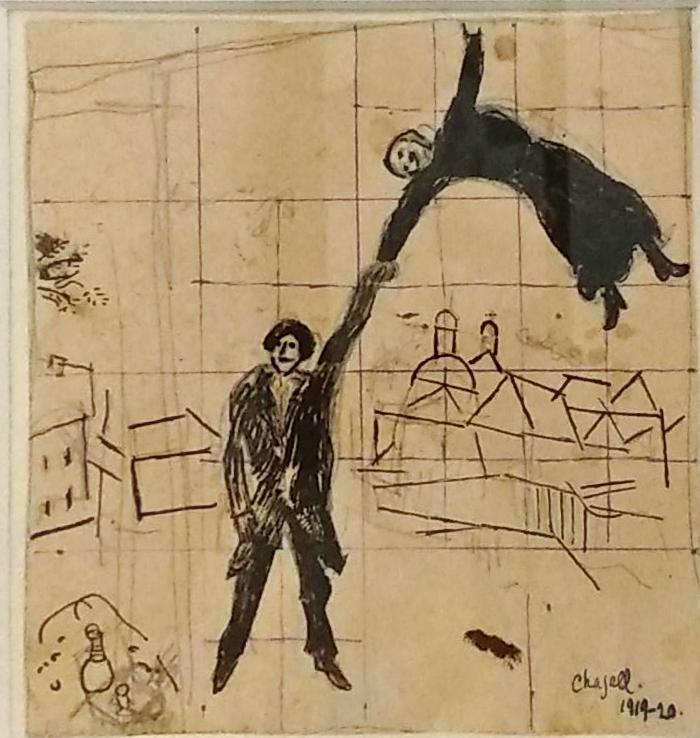
(A vegades he somiat que volava per damuint d’una ciutat, tant de bo fes sentir així a la meva parella)
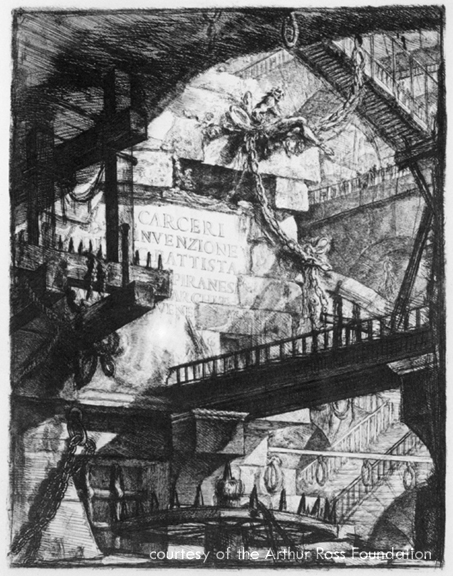
[ afegir ressenya i algun fragment dels paisatges fantàstics de Susanna Clarke]
1977

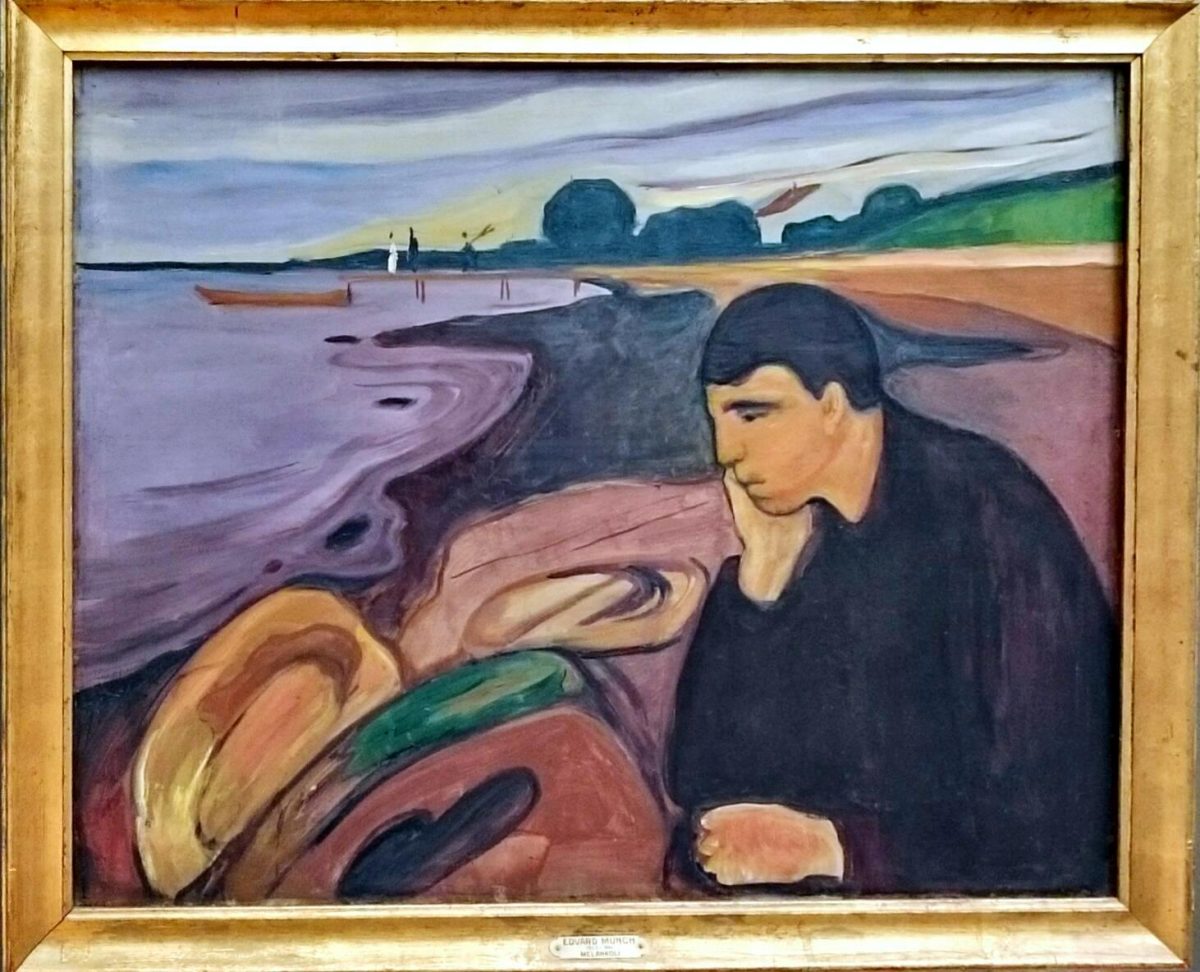
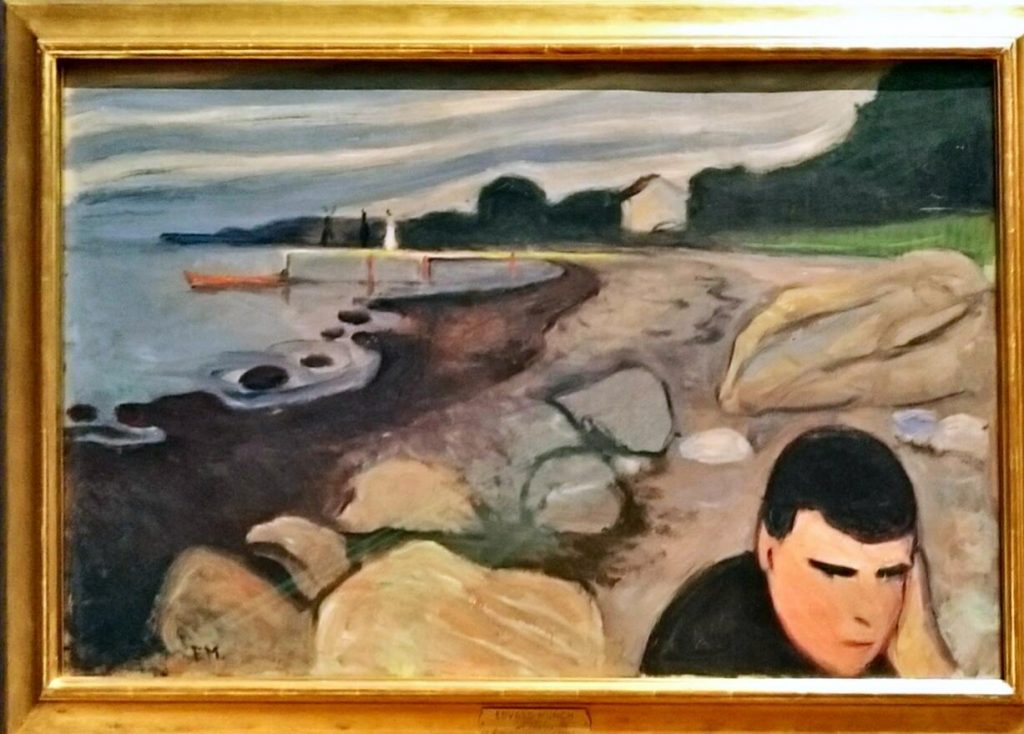
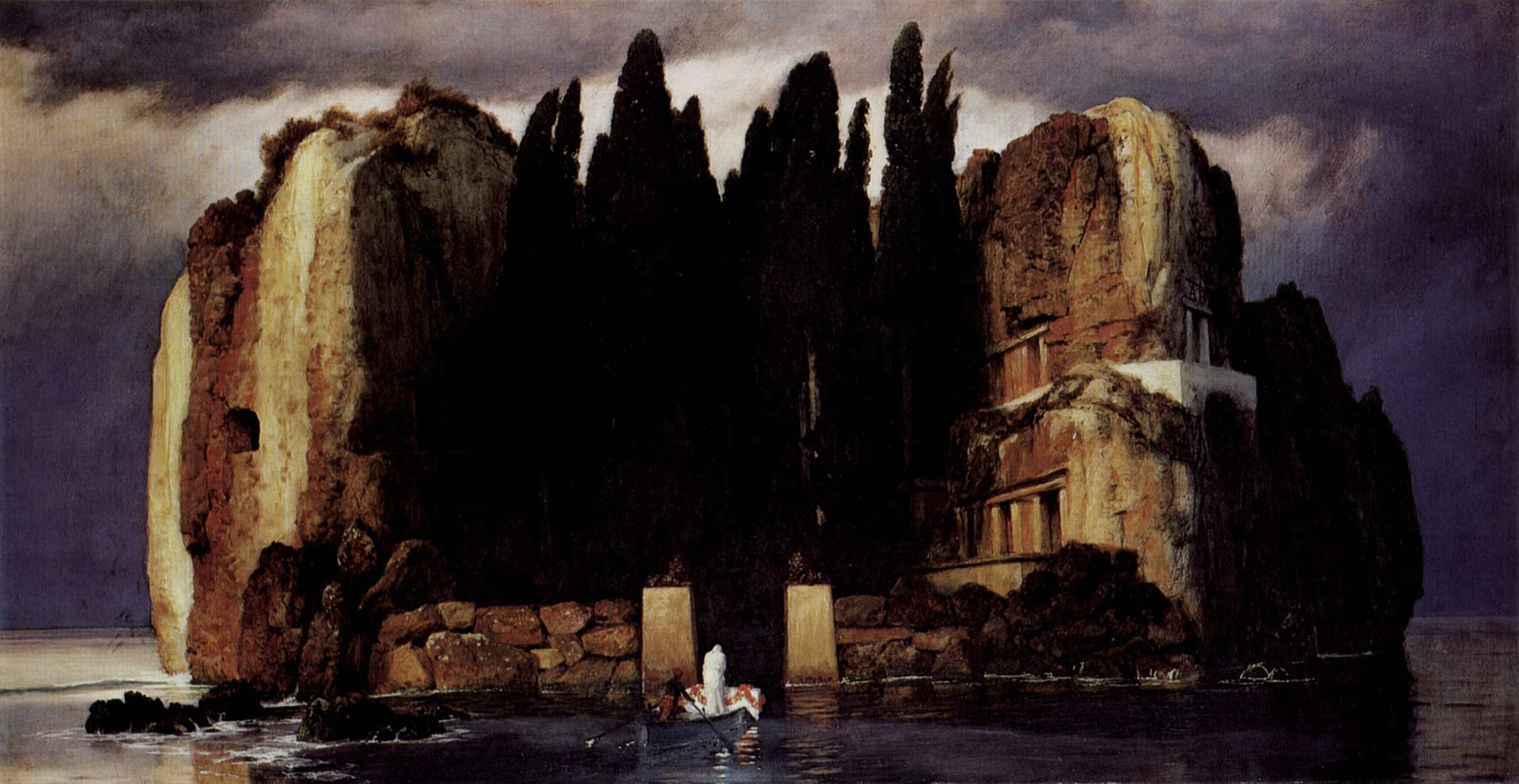
Leipzig