Etimologies: el temps, El temps meteorològic
La boira i els núvols, confusió i tristesa
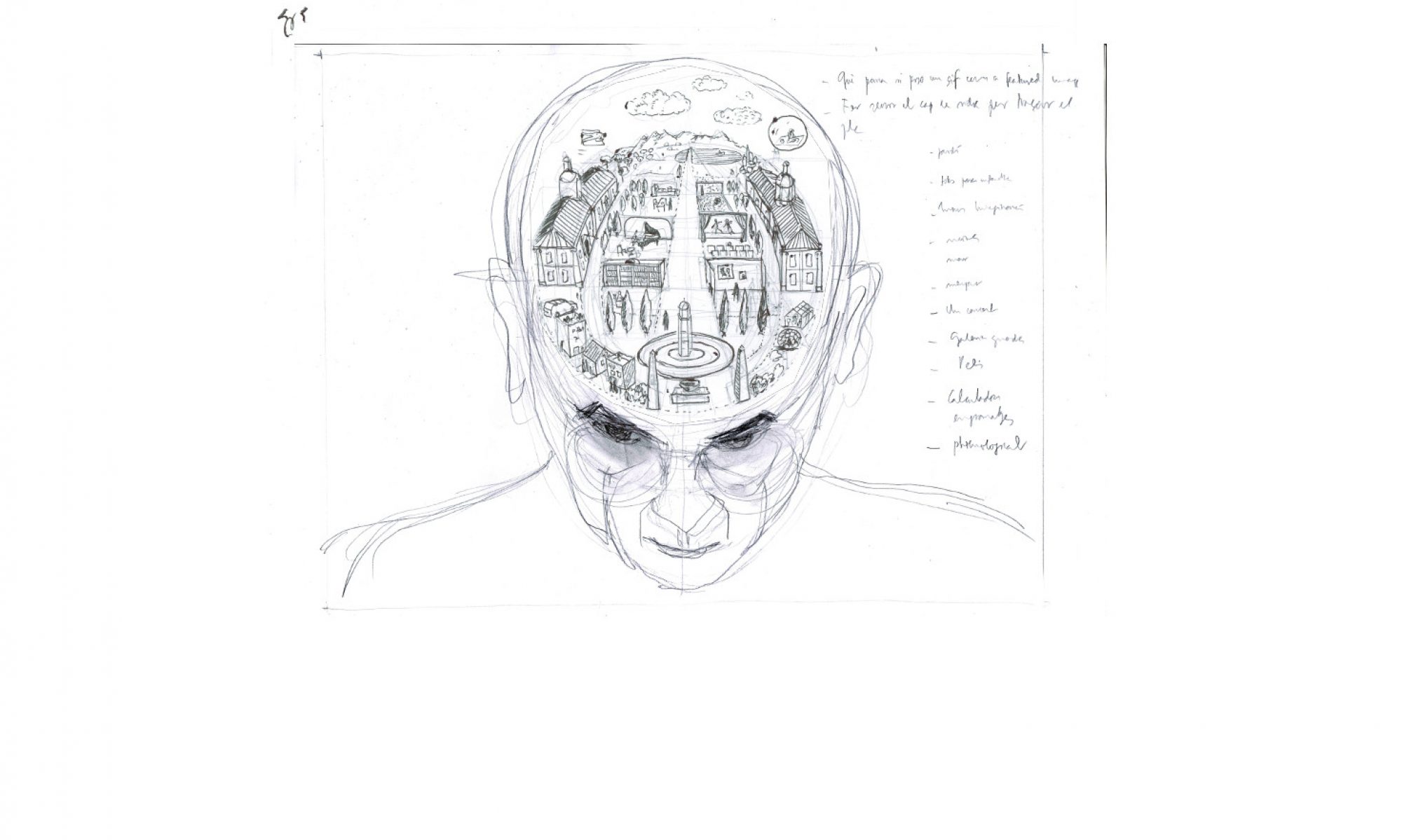
La pèrdua de visibilitat a la natura equival a la pèrdua de claredat mental o de felicitat.
En català es diu “tenir el cap emboirat” o “estar emboirat”, “veure-ho tot negre” (Quan els núvols mentals no deixen veure la llum, pessimisme o tristesa).
En Llatí, nubis (núvol) i nebula (boira) són usats per indicar la confusió o el dol. Es deia que el dolor o la gelosia obducere nubem (estenia un núvol) sobre el rostre d’algú. Caligo era la boira espessa o la foscor de la ment davant d’una gran pena o de la bogeria (caligo mentis).
- A Foggy Day (George & Ira Gershwin). “A foggy day in London Town / Had me low and had me down / (…) But the age of miracles hadn’t passed / For suddenly, I saw you there.”
- Wrap Your Troubles in Dreams (And Dream Your Troubles Away) (Bing Crosby / Jazz standard) “When skies are cloudy and gray / They’re only gray for a day / So wrap your troubles in dreams / And dream your troubles away.”
- Cloudy (Simon & Garfunkel,1966). “My thoughts are scattered and they’re cloudy /They have no borders, no boundaries/They echo and they swell/From Tolstoy to Tinker Bell/Down from Berkeley to Carmel/Got some pictures in my pocket and a lot of time to kill/Hey, sunshine/I haven’t seen you in a long time/Why don’t you show your face and bend my mind?/These clouds stick to the sky/Like a floating question, “Why?”/They linger there to die”.
- I Can See Clearly Now” (Johnny Nash, 1972). ” I can see clearly now the rain is gone/I can see all obstacles in my way/Gone are the dark clouds that had me blind/It’s gonna be a bright, bright sun shiny day/It’s gonna be a bright, bright sun shiny day.
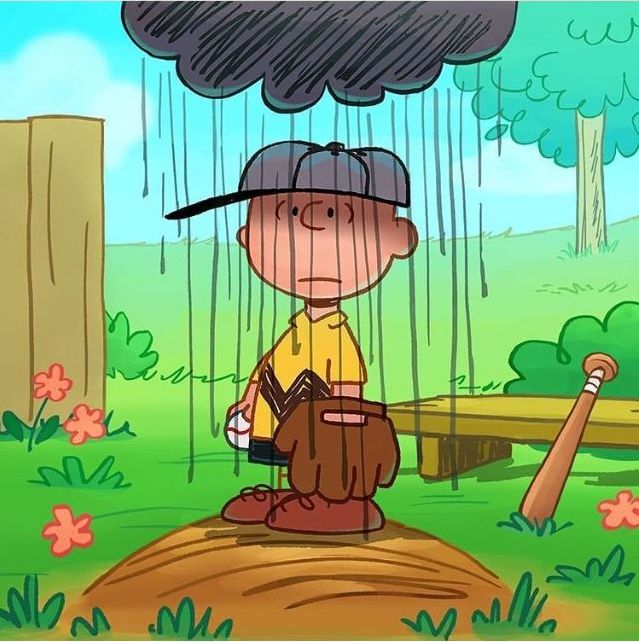
La pluja i la tempesta, tristesa, ira, desesperació
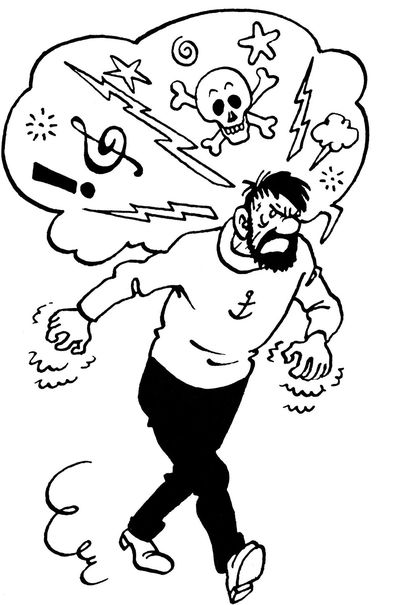
La pluja com a llàgrimes. La tempesta com a explosió d’ira.
“El cel plora”,”Descarregar la tempesta”: Quan algú llança tota la seva ràbia o fúria acumulada sobre una altra persona.
En Llatí, Fletus re rorantis (el plor que brolla com la rosada/pluja), Lucreci i Virgili associaven sovint el plor humà amb els fenòmens líquids del cel. Quan una persona perdia el control per culpa de la ira o el patiment, els llatins deien que el seu esperit patia una tempestas (tempesta) o un turbo, animnus turbidus (remolí, turbulència). Ciceró usava constantment aquestes metàfores per parlar de les turbulències de l’ànima.
Shakespeare. King Lear, III ACT: “Blow, winds, and crack your cheeks! rage! blow!” (Quan Lear està exposat a la tempesta, comença a prendre consciència de la vulnerabilitat dels altres éssers humans. La tempesta exterior acaba produint una mena de tempesta moral.)
Percy Bysshe Shelley. Ode to the West Wind. “O wild West Wind, thou breath of Autumn’s being / If Winter comes, can Spring be far behind?”
- Stormy Weather (Harold Arlen / Ted Koehler – interpretada per Billie Holiday, Etta James, etc.). “Don’t know why there’s no sun up in the sky / Stormy weather / Since my man and I ain’t together / Keeps rainin’ all the time.”
- Raining in My Heart (Buddy Holly / Slim Harpo). “The sun is out, the sky is blue / There’s not a cloud to spoil the view / But it’s raining, raining in my heart.”
- Come Rain or Come Shine (Johnny Mercer / Harold Arlen), Prometre amor incondicional tant en els bons moments (el sol) com en els dolents (la pluja). “I’m gonna love you like nobody’s loved you / Come rain or come shine.”
- The Sky Is Crying (Elmore James – Blues clàssic): “The sky is crying / Look at the tears rolling down the street / I’m looking for my baby / And I wonder where can she be.”
- Call It Stormy Monday (But Tuesday Is Just as Bad) (T-Bone Walker). “They call it stormy Monday, and, baby, Tuesday’s just as bad / Call it stormy Monday, and, baby, Tuesday’s just as bad / Wednesday’s worse, Thursday’s oh so sad / The eagle flies on Friday, and Saturday I go out to play / Well the eagle flies on Friday, and Saturday I go out to play / Sunday I go to church, I kneel down and pray”
- September in the rain (Harry Warren, Al Dubin), Dinah washington. “Though spring is here /To me it’s still September/That September in the rain”
- It Never Rains in southern California (Albert Hammond). “Out of work, I’m out of my head / Out of self respect, I’m out of bread / I’m underloved, I’m underfed / I wanna go home / It never rains in California, but girl, don’t they warn ya / It pours, man, it pours
- Stormy (Classic IV) . “You were the sunshine, baby, whenever you smiled / But I call you Stormy today / All of a sudden that ol’ rain’s fallin’ down / And my world is cloudy and gray / You’ve gone away / [Chorus] / Oh, Stormy, oh, Stormy / Bring back that sunny day”
El sol i el bon temps: La joia i la serenor
“Ser un sol” o “tenir una rialla radiant”: Atribuir la calidesa i la lluminositat solar a algú alegre o bondadós. “Tornar a sortir el sol”: Recuperar l’esperança després d’una època dolenta o de dol.
En llatí Serenitas / Serenus servia per descriure un cel ras i lliure de núvols (caelum serenum). Molt aviat va passar a descriure la ment del savi (la serenitas animi de la qual parlava Sèneca), que roman tranquil·la davant de les adversitats. Vultu nitido, tenir el rostre o l’ànim “brillant” o “resplendent” com el sol per causa de la felicitat.
Shakespeare. Sonnet 18. “Shall I compare thee to a summer’s day?” / Thou art more lovely and more temperate: / Rough winds do shake the darling buds of May, / And summer’s lease hath all too short a date; / But thy eternal summer shall not fade, / Nor lose possession of that fair thou ow’st; / Nor shall death brag thou wander’st in his shade, / When in eternal lines to time thou grow’st: / So long as men can breathe or eyes can see, / So long lives this, and this gives life to thee.”
- Over the Rainbow (Harold Arlen, Harburg, Judy Garland) “Somewhere over the rainbow / Way up high / There’s a land that I heard of / Once in a lullaby / / Somewhere over the rainbow / Skies are blue / And the dreams that you dare to dream / Really do come true / / Someday I’ll wish upon a star / And wake up where the clouds are far behind me / Where troubles melt like lemon drops / Away above the chimney tops / That’s where you’ll find me”
- Blue Skies (Irving Berlin, 1926). “Blue skies smiling at me / Nothing but blue skies do I see / Blue birds singing a song / Nothing but blue skies from now on / Never saw the sun shining so bright / Never saw things going so right.
- On the Sunny Side of the Street (Jimmy McHugh / Dorothy Fields). “Grab your coat and get your hat / Leave your worry on the doorstep / Just direct your feet / To the sunny side of the street.”
- I’ve Got My Love to Keep Me Warm (Irving Berlin). “The snow is snowing, the wind is blowing / But I can weather the storm / What do I care how much it may storm? / I’ve got my love to keep me warm.”
- Here Comes the Sun (The Beatles) “Here comes the sun, doo-doo-doo-doo, here comes the sun / And I say it’s all right / Little darling, it’s been a long cold lonely winter / Little darling, it feels like years since it’s been here” .
- Good Day Sunshine (The Beatles). ” Good day sunshine, good day sunshine, good day sunshine / I need to laugh and when the sun is out / I’ve got something I can laugh about / I feel good in a special way / I’m in love and it’s a sunny day”.
- The Sunshine of love (Armstrong). “Where there is sunshine, oh that’s where you are/ Where there is laughter, then you can’t be far”.
- Bring Me Sunshine (Morecambe & Wise / Willie Nelson) en són un gran exemple: “Bring me sunshine in your smiles / Bring me laughter all the while.”
- I’m walking on Sunshine (Katrina and the Waves). “I used to think maybe you loved me/Now baby, I’m sure/…/ Now I’m walking on sunshine, whoa
- You are my Sunshine (Ray Charles). “Whoa you are my sunshine/…Well, little girl you make me happy sometimes/ When my skies are grey”
- Ain’t no sunshine (Bill Withers). “Ain’t no sunshine when she’s gone/It’s not warm when she’s away”
- You are the sunshine of my life (Stevie Wonder). “You are the sunshine of my life/That’s why I’ll always be around”
El gel i el fred: símbol de la indiferència, o de al solitud
“Quedar-se glaçat”: Sentir una paràlisi sobtada per culpa de la por o d’una sorpresa desagradable, “tenir el cor de gel”.
En Llatí frigidus s’aplicava a les persones sense entusiasme o porugues. El text poètic clàssic sovint descriu com la por glaça la sang (sanguis gelidus).
- A Fine Romance (jerome kern/ Dorothy Fields) “A fine romance, my friend, this is/We should be like a couple of hot tomatoes/But you’re as cold as yesterday’s mashed potatoes/…/ You’re calmer than the seals in the Arctic Ocean/At least they flap their fins to express emotions”
- “Cold, Cold Heart” (Hank Williams, popularitzat en el jazz per Tony Bennett i Norah Jones): “I try so hard my dear to show that you’re my every thought / But you’re afraid to trust me now, all because of your cold, cold heart”.
- “Autumn Leaves” (Les Feuilles Mortes. “Since you went away the days grow long / And soon I’ll hear old winter’s song”. El cantant veu com s’apropa el fred de l’hivern de manera inevitable en quedar-se sol.