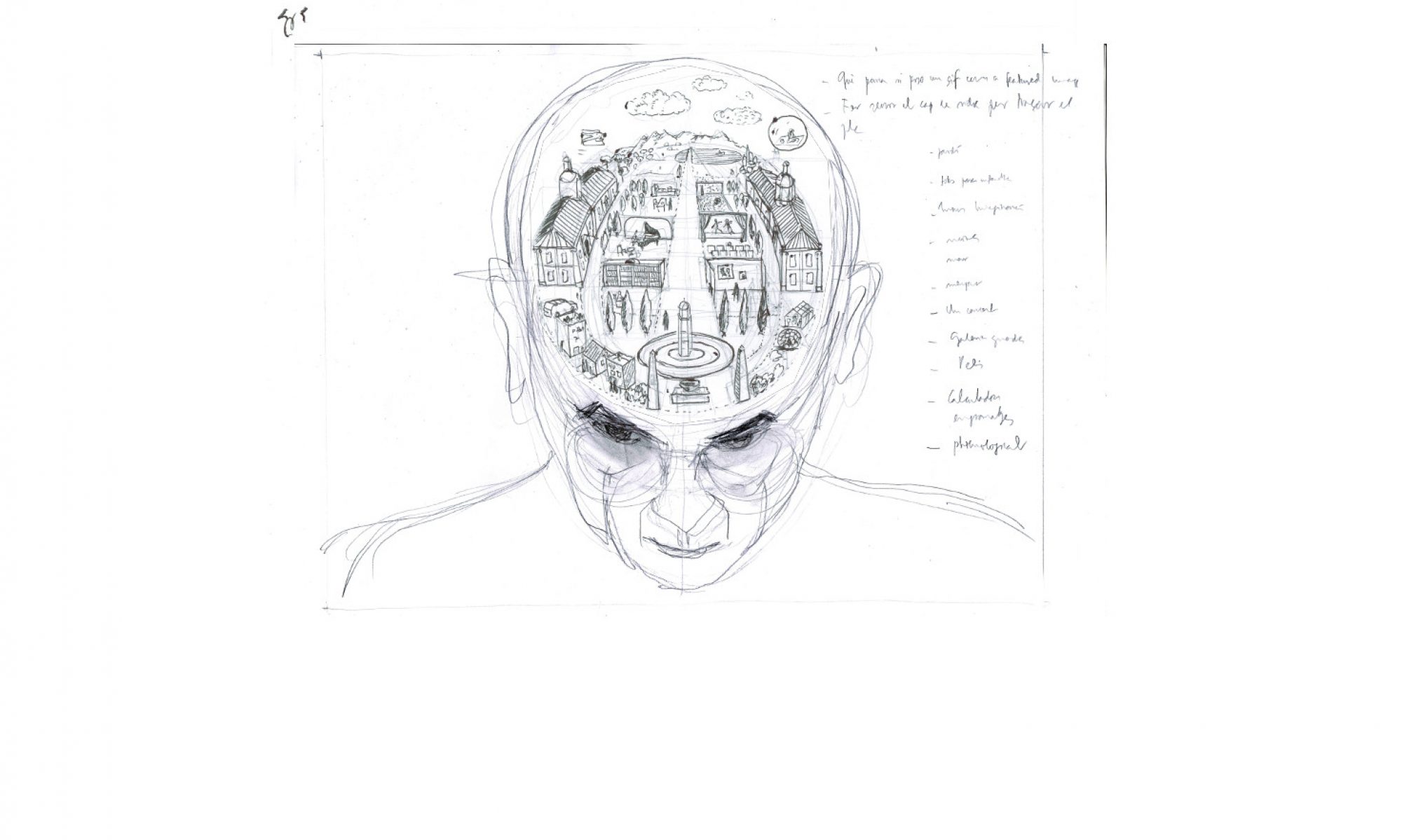
De les nostres vides, quantes coses passen de les que no ens adonem, i d’aquestes, quina petita part retenim i recordem! De tot el que haurem viscut els humans, quina part tant petita n’haurem compartit amb altres, en converses o cartes. La major part del que vivim no té testimoni. (Els obsessionats amb l’hiperdiarisme intentarien recollir-ho tot).
Fins i tot el que nosaltres anem vivint a cada moment queda enrere, i es va oblidant i desapareixent. Fins i tot nosaltres mateixos anem canviant i ja no ens reconeixeríem en el nostre jo del passat.]
La major part de l’univers i la seva història que reconstruïm, no ha tingut un espectador. Del que podem suposar que passa, l’herba que creix, les formigues que caminen entre els brins, les orenetes que volen, les masses tectòniques de la terra que es desplacen amb lentitud poderosa, ningú no ho veu.
I podem encara sospitar l’enorme quantitat de fets que existeixen que ni tan sols podem imaginar, perquè estan fora del nostre abast o el nostre coneixement. Aquesta seria la posició del realisme, que sosté l’existència d’objectes físics, entitats matemàtiques, o normes morals, independentment que hi hagi alguna ment que les percebi. Husserl dedica grans esforços per poder sostenir l’existència de veritats objectives tot i partir de l’experiència subjectiva.
Però encara podríem pensar, no només amb llocs de l’univers desconeguts, propietats de la matèria que encara no sabem, o teoremes matemàtics pendents de descobrir. Podem pensar, no només en un Museu Obres perdudes, sinó en totes les obres possibles que no han arribat a existir, altres quadres, altres històries, la versió de “Tea for two” d’Ahmad Jamal.
Yuan Zhen 779-831 (Poesia Xinesa. Dinastia Tang)
Late Spring
Calm day through the thin curtain, swallows talking fast.
Pairs of fighting sparrows kick up dust on the steps.
Wind at dusk, a brushwood gate swings shut.
Flowers drop their last petals. No one notices.
A Young Lady’s Spring Thoughts
Unbearable to watch these endless silk threads rain through the sky.
Spring wind pulls them apart and intensifies this separation.
Leisurely flowers fall to the green mossy earth.
Only I can know this. No one comes to see me all day.
23. A DAY IN THE COUNTRY
Terenty, pobre descalç, i dos petits orfes, caminen pel bosc. Miren les abelles, formigues
The children fall asleep thinking of the homeless cobbler, and, in the night, Terenty comes to them, makes the sign of the cross over them, and puts bread under their heads. And no one sees his love. It is seen only by the moon which floats in the sky and peeps caressingly through the holes in the wall of the deserted barn.